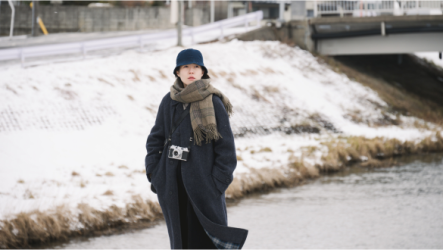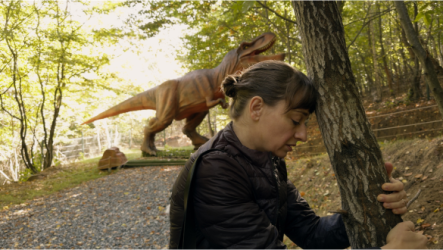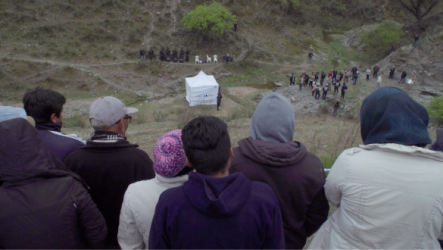


The Special Screenings of this year’s festival form a cinematic reflection on memory, identity, and the persistence of human experience through time. From So Miyake’s lyrical parable Two Seasons, Two Strangers, where the search for inspiration meets the need for understanding and companionship, to Radu Jude’s sharp black comedy Kontinental ’25, which delves into the moral disarray of a judicial officer, the human being is placed at the center of his own contradictions ‒ torn between responsibility, guilt, and the yearning for redemption.
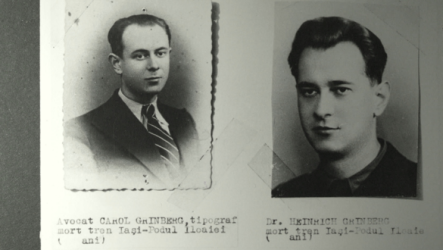
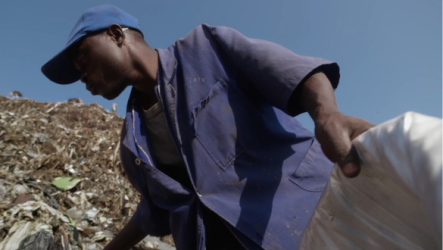
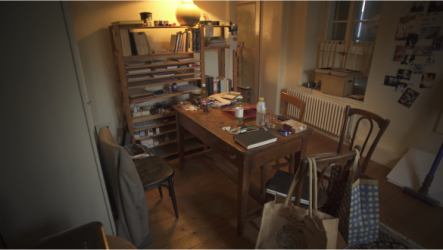
Lucrecia Martel, with Landmarks, weaves a poetic, ethnographic documentary on collective memory and the legacy of colonialism in Argentina, while The Exit of the Trains by Radu Jude and Adrian Cioflâncă revisits the 1941 massacre of Jews in Iași, drawing evidence even from Nazi military archives. Rolle Workshop, a Journey by Fabrice Aragno and Jean-Paul Battaggia, becomes a poetic farewell to Jean-Luc Godard, highlighting his genius in exploring the relationship between sound and image.
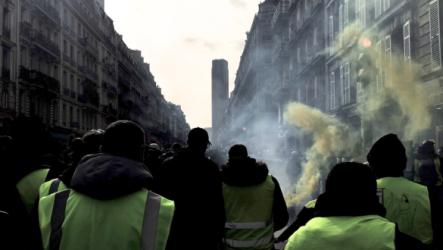
In Andreas Hadjipateras’ Human Fiction, a futuristic, post-human gaze invites us to reconsider the essence of our own existence, while Iro Siaflaki’s Steps invites us in a sensory form to join the marches of the Yellow Vests.
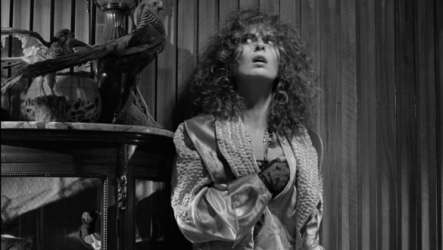
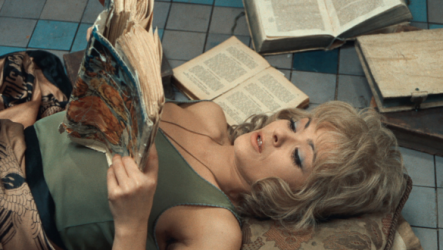
The film Murdering the Devil (1970), the feminist satire by artist and scenographer Ester Krumbachová, is presented as a collaboration between the Greek Film Archive and the 9th Thessaloniki Biennale of Contemporary Art, everything must change. RIS9 (October 2025 – July 2026), organized by MOMus, within the framework of a broader showcase of Krumbachová’s work. The screening is realized in cooperation with the Ester Krumbachová Archive, the cultural platform ARE, and the National Film Archive, Prague. Finally, the screening of the iconic Singapore Sling by Nikos Nikolaidis, accompanied by the presentation of the eponymous book, reminds us that cinema can be at once dark, transcendent, and liberating ‒ a legendary work of Greek cult cinema that continues to provoke, inspire, and haunt.
Although diverse in style and origin, these films collectively explore the relationship between history, narrative, and form. Whether through personal testimony or the politics of the gaze, their creators reposition us before fundamental questions about the responsibility of representation and the power of cinema as a tool for understanding the modern world.