

The films of this year’s International Competition chart a world that is wounded yet resilient ‒ a world where the scars of history, wars, and political crises initiate narratives and archives of resistance. From Ukraine and Lebanon to Palestine, Iran, and Greece, cinema becomes an act of resistance and contemplation about an era that questions all the legacy of Enlightenment.The filmmakers, hailing from different corners of the world, redefine the gaze as a tool of survival and reflection.
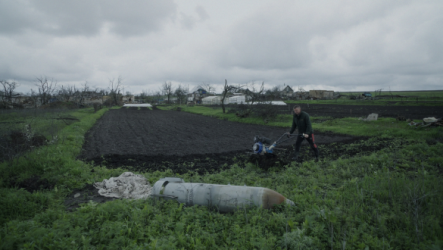
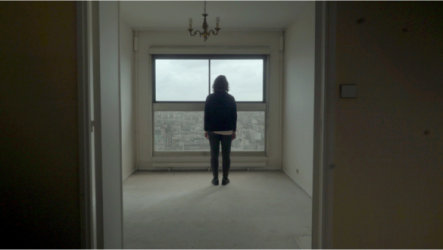
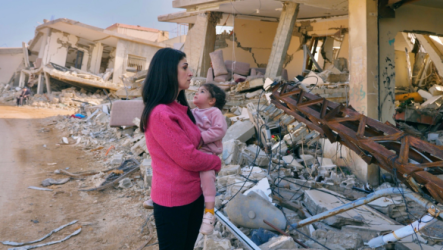
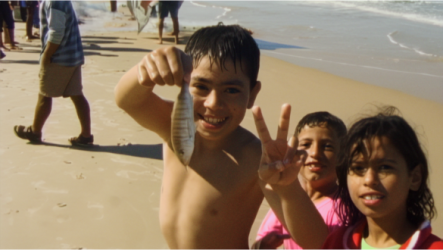
The horror and soundscapes of war permeate the Ukrainian Militantropos by Gorlova, Smith, and Mozgovyi. Abbas Fahdel’s Tales of the Wounded Land and Kamal Aljafari’s With Hasan in Gaza transform the devastated landscapes of Lebanon and Palestine into spaces of testimony, where memory resists oblivion and where the naratives of the defeated contest those of the conquerors. In Vanishing Point, Bani Khoshnoudi reconstructs the familial and collective trauma of executions and exile in Iran.
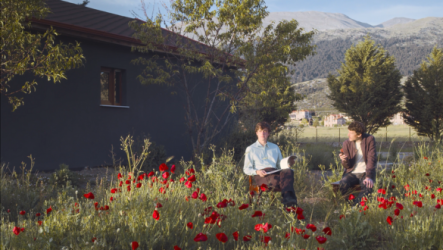
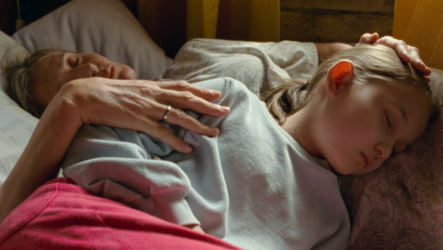
In Mare’s Nest by British experimental filmmaker Ben Rivers, the child’s gaze prefigures the possibilities of an ecological and egalitarian utopia, while Nastia Korkia’s Short Summer (Russia) captures childhood’s innocence under the shadow of an invisible war.
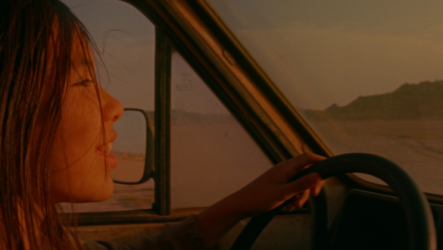
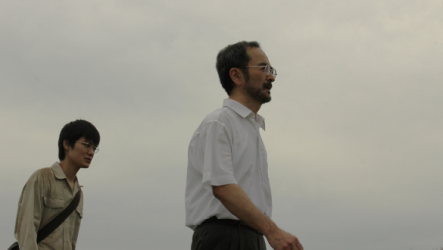
From Japan, Masao Adachi, in Escape, returns to the decades of radical social movements to portray the absolute dedication of a militant to the idea of revolution. Rita Azevedo Gomes (Portugal), with Fuck the Polis, weaves an elegy to Greece as a site of reflection on politics and history.
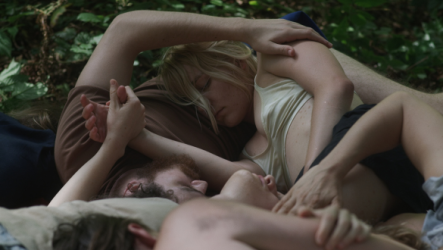
Dane Komljen (Bosnia and Herzegovina), in Desire Lines, with a queer gaze, stages an explosive encounter between landscapes and inscapes, while Petros Sevastikoglou, in Cries, transforms women’s uprising into a bacchic cry of life in the face of social inertia.
A multifaceted program that, through the world’s wounds, seeks resilience and hope.